Haunted Scene: Elevating Visual Storytelling with a Distinctive Display Typeface
In the realm of graphic design and visual communication, typography serves as more than just a vehicle for text; it is an emotional anchor. The right typeface can evoke nostalgia, fear, excitement, or tranquility before a single word is read. Among the vast library of digital fonts available to designers today, Haunted Scene has emerged as a compelling choice for those seeking to inject atmosphere and character into their projects. This article explores the unique characteristics of Haunted Scene, its practical applications across various creative industries, and how designers can leverage its distinct aesthetic to create impactful visual narratives.
The Aesthetic Identity of Haunted Scene
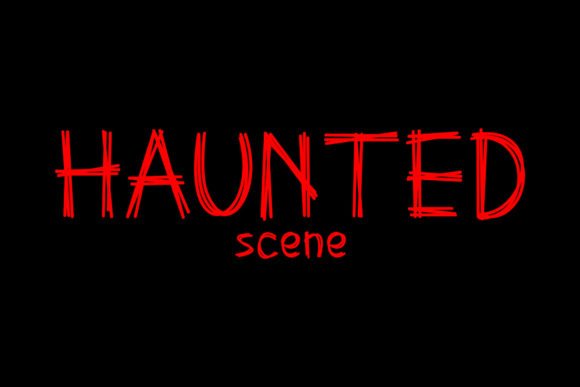
To understand why Haunted Scene is effective, one must first analyze its visual DNA. As described by its creators, this is a simple yet creepy-looking display font. It does not rely on overly complex ligatures or ornate flourishes that might distract from its primary function: setting a mood. Instead, it utilizes clean lines and stark contrasts to achieve a haunting presence. The simplicity of the letterforms allows them to remain legible even at large sizes, while the subtle irregularities in the strokes give it a hand-crafted, slightly unsettling quality.
This balance between simplicity and creepiness is what makes Haunted Scene versatile. It avoids the cliché of being purely "horror" focused. While it certainly fits the genre, its underlying structure is robust enough to support modern, minimalist designs that require a touch of edge. For professionals working in branding, the font offers a way to communicate mystery, intrigue, or dark elegance without resorting to cluttered design elements. The font’s weight and spacing are calibrated to stand out in crowded digital feeds, making it an excellent tool for capturing immediate attention.
Practical Applications in Digital Design
The versatility of Haunted Scene extends far beyond traditional print media. In the digital space, where user attention spans are fleeting, having a typeface that commands respect is crucial. Here is how Haunted Scene integrates into various digital workflows:
- Social Media Campaigns: For brands launching products related to entertainment, gaming, or lifestyle niches that embrace alternative aesthetics, Haunted Scene can be used for headers and promotional graphics. Its high contrast ensures readability on mobile screens, where small details often get lost.
- Web Design Headers: When designing landing pages for events, such as escape rooms, horror-themed parties, or theatrical productions, using Haunted Scene for the main headline creates an instant thematic connection. Pairing it with clean sans-serif body text creates a sophisticated hierarchy that guides the user’s eye effectively.
- Digital Presentations: Educators and business owners who need to break the monotony of standard slides can use Haunted Scene sparingly for section dividers or key emphasis points. It adds a layer of personality to presentations about psychology, history, or the arts, helping to maintain audience engagement through visual variety.
The font’s ability to convey tone quickly makes it particularly valuable in user interface (UI) design contexts where micro-copy needs to set a specific ambiance, such as error messages in gaming apps or notification texts in mystery-solving software.
Crafting Physical Memories: Greeting Cards and Paper Crafts
While digital design dominates much of the creative landscape, there remains a strong appreciation for tangible, physical media. Haunted Scene is perfectly suited for crafting enthusiasts who enjoy creating greeting cards, scrapbooks, and custom invitations. The font’s "creepy" attribute makes it a natural fit for Halloween-themed projects, but its elegant simplicity allows it to work for other occasions as well.
For instance, consider the creation of a vintage-style mystery novel book club invitation. Using Haunted Scene for the title of the event, combined with aged paper textures and muted color palettes, can transport recipients directly into the narrative world of the books discussed. Similarly, for holiday card makers, the font can offer a fresh take on seasonal greetings that moves away from traditional cheerfulness toward something more gothic or whimsical.
The ease of use associated with Haunted Scene means that hobbyists do not need advanced typographic skills to achieve professional results. Whether printed via home inkjet printers or sent to commercial printing services, the font reproduces well across different mediums. Crafters should note that because the font is a display type, it works best when used for short bursts of text rather than long paragraphs. This limitation is actually a strength, encouraging designers to focus on impact over volume.
Strategic Considerations for Professional Use
For professionals integrating Haunted Scene into client projects, understanding the context is paramount. Typography is never neutral; it carries baggage and associations. Using a font like Haunted Scene requires a strategic approach to ensure the message aligns with the brand identity.
Contextual Appropriateness
The first consideration is whether the "creepy" or "haunted" vibe aligns with the client’s goals. If the project involves children’s educational materials or healthcare services where trust and calmness are priority values, Haunted Scene may be inappropriate. However, for entertainment, tourism, fashion, or niche hobbyist markets, it can be a powerful differentiator. Professionals must assess the target audience’s expectations and cultural context before recommending this typeface.
Pairing and Hierarchy
A common mistake in typography is allowing a display font to dominate every element of a layout. To maximize the effectiveness of Haunted Scene, it should be paired with complementary typefaces. Neutral, highly readable sans-serif fonts like Helvetica, Open Sans, or Roboto serve as excellent partners. They provide a stable foundation that allows Haunted Scene to shine as the focal point. This contrast between the plain and the dramatic enhances the legibility of both fonts and creates a balanced composition.
Furthermore, size plays a critical role. Haunted Scene is designed as a display font, meaning it is intended for headlines, titles, and large-scale text. Using it for body copy can lead to reader fatigue and reduced comprehension. Designers should limit its use to 10-15% of the total typographic content in any given piece.
Trends in Atmospheric Typography
The rise of Haunted Scene reflects broader trends in contemporary design, specifically the growing interest in atmospheric and emotive typography. As digital spaces become increasingly saturated with standardized corporate identities, there is a counter-movement towards personalization and distinctiveness. Consumers are drawn to brands that feel human, quirky, or emotionally resonant.
This trend is evident in the popularity of serif revivalism, hand-drawn scripts, and now, stylized display fonts with specific moods. Brands are no longer afraid to show personality, even if that personality is dark, mysterious, or unconventional. Haunted Scene caters to this desire for authenticity and mood-setting. It allows designers to bypass generic stock imagery and instead use text itself as a primary visual element to tell a story.
Moreover, the accessibility of high-quality fonts has democratized design. Hobbyists and small business owners now have access to tools previously reserved for large agencies. This shift encourages experimentation and leads to a more diverse visual culture. Haunted Scene is part of this ecosystem, offering an accessible entry point for creators who want to explore non-traditional typographic expressions.
Implementation Best Practices
To get the most out of Haunted Scene, designers should adhere to a few best practices regarding implementation. First, always test the font at various sizes and resolutions. What looks striking on a high-resolution monitor may lose its detail when scaled down for a favicon or social media thumbnail. Second, pay attention to kerning and tracking. Display fonts often have specific spacing requirements to look their best. Adjusting the space between letters can enhance the "breathing room" of the text, preventing it from looking too cramped or disjointed.
Color also interacts significantly with the perception of Haunted Scene. High-contrast combinations, such as white text on a black background or deep red on cream, amplify the font’s eerie qualities. Conversely, using pastel colors with Haunted Scene can create an ironic or surreal effect, which might be desirable for certain avant-garde projects. Experimentation with color theory is essential to fully unlock the potential of this typeface.
Conclusion
Haunted Scene represents a thoughtful intersection of functionality and atmosphere. It is not merely a novelty item but a serious tool for designers who understand the power of visual tone. By leveraging its simple yet creepy aesthetic, creators can craft memorable experiences across digital and physical platforms. Whether you are a seasoned professional designing a campaign for a horror film festival or a hobbyist creating a unique birthday card, Haunted Scene offers the versatility and character needed to make your work stand out. As the design landscape continues to evolve, embracing fonts that evoke genuine emotion will remain a key strategy for effective communication.